The 10 Biggest Mistakes People Make Choosing a Moisturizer
The biggest mistakes people make when choosing a moisturizer are ignoring their skin type and the season, skipping serum and going straight to moisturizer, applying the product in a thick layer, and changing the routine too often. Most of these mistakes come not from the product itself but from the order and amount in which it is applied; the right sequence and consistent use are what bring out the real effect of the moisturizer you have chosen.
Short answer:
- A texture that does not suit your skin type or the season is the most common mistake — switch between gel, lotion and cream as your needs change.
- A moisturizer works best when it is applied after serum, in a thin layer, while the skin is still slightly damp.
- Scent, packaging or trends should not decide for you; the formula's ingredients and the way your skin responds should.
What Are the 10 Mistakes People Make When Choosing a Moisturizer?
The table below summarizes the ten most common mistakes in a moisturizer routine and the right approach for each. The sections that follow look at the causes of these mistakes and their solutions in more detail.
| # | Mistake | Why It Causes Problems | The Right Approach |
|---|---|---|---|
| 1 | Ignoring your skin type | The wrong texture leaves either a clogged feeling or not enough hydration | Choosing a texture suited to your skin type (oily, dry, combination, sensitive) |
| 2 | Not changing texture with the season | A light gel is not enough in winter, a rich cream feels like too much in summer | Switching between gel, lotion and cream according to the season |
| 3 | Skipping serum | Without the support of active ingredients, the routine stays incomplete | Applying serum after toner and before moisturizer |
| 4 | Applying a thick layer | Excess product does not add hydration; it creates heaviness and shine | A thin, even layer; a second thin layer if needed |
| 5 | Mismatched ingredients | A rich formula layered over potent actives can make the skin more sensitive | Choosing gentle, balancing formulas |
| 6 | Applying to dry skin | Moisture is held better on a damp surface | Applying while the skin is still slightly damp |
| 7 | Choosing by scent or packaging | Visual appeal says nothing about whether the formula suits you | Focusing on the ingredient list and on how your skin responds |
| 8 | Neglecting the neck and eye area | These areas take on a different look over time | Extending the application down to the jawline and neck |
| 9 | Applying to the whole face without testing | Irritation or incompatibility is noticed too late | Testing on a small area for 24-48 hours first |
| 10 | Changing the routine too often | Skin does not show its response to a formula before a few weeks have passed | Using one product consistently for a reasonable length of time |
Why Do Skin Type and Season Matter So Much in Choosing a Texture?
A very rich cream can leave oily skin feeling clogged, while a very light gel may not give dry skin enough hydration support. Defining your skin type clearly before choosing a moisturizer is the first step toward finding the right texture. If you are not sure about your skin type, you can get a free radiance score and 7 metrics from two photos with AURA, or read about how to identify your skin type correctly.
The same texture does not give the same result all year round. A light gel-cream may be enough in summer, while in winter the same product may not meet the skin's increased need for hydration; textures should be reviewed as the seasons change. You can find more detail in the article on how skincare should change between summer and winter.
| Skin Type / Season | Recommended Texture |
|---|---|
| Oily skin / summer | Light gel or gel-cream |
| Dry skin / winter | Rich cream |
| Combination skin | Gel-cream applied differently by area |
| Sensitive skin | Fragrance-free, gentle lotion |
Which Steps Should Not Be Skipped Before Moisturizer?
A moisturizer is the layer that "locks in" hydration; but if no serum carrying active ingredients is applied underneath it, the routine remains incomplete. WATER GLOW SERUM is a 30 ml formula with a hyaluronic acid complex, ectoin, betaine, sodium PCA, panthenol, aloe vera and allantoin; it is applied after toner, once the skin has dried. Because its effect can be diluted and reduced when applied to wet skin, following this product's specific usage instructions matters.
For the moisturizer itself the rule is the opposite: it works most effectively when the skin is slightly damp. Applying moisturizer right after the serum has absorbed, before the skin dries completely, can help hold hydration at the surface.
Why Do Thick Layers and Mismatched Ingredients Backfire?
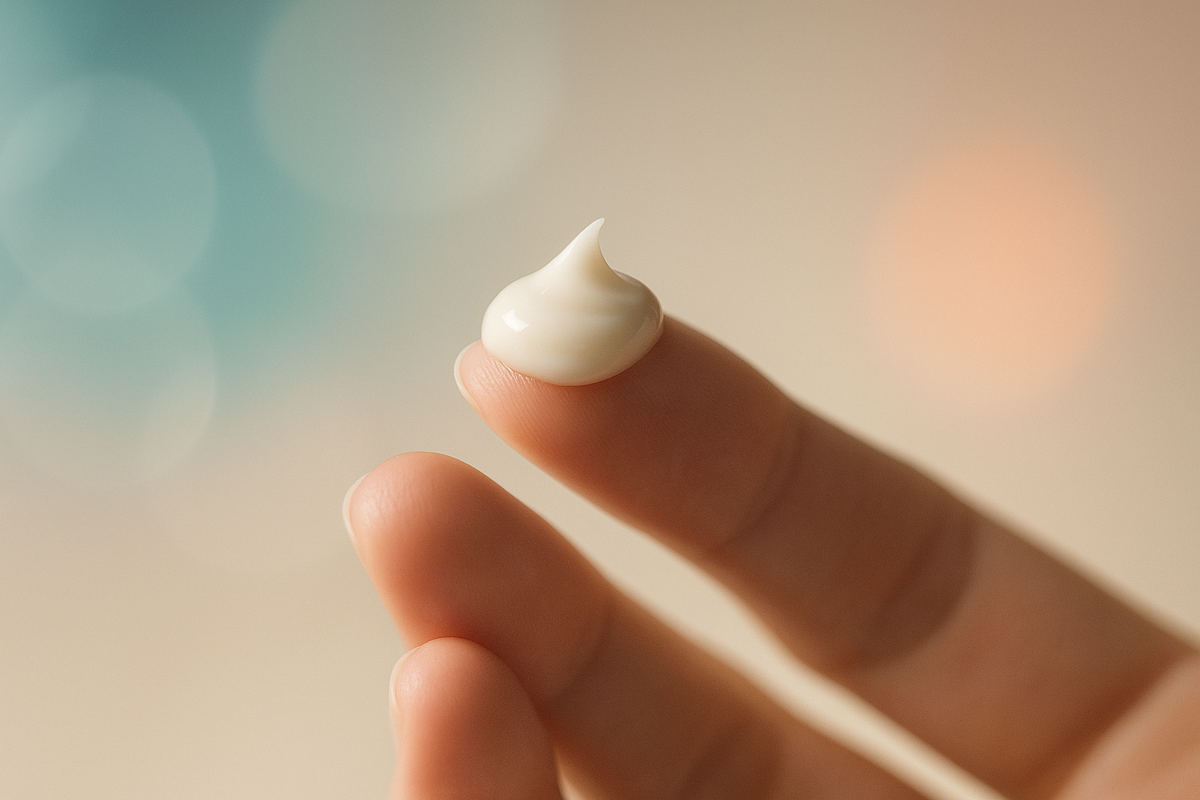
Applying moisturizer in a thick layer does not make the skin more hydrated; on the contrary, it can create a feeling of heaviness, shine or congestion on the surface. A thin, even layer is enough for most skin types; adding one more thin layer if needed is more effective than applying a thick one all at once.
Compatibility with the other products in the routine matters as much as texture. Rather than adding a rich moisturizer that can make the skin even more sensitive on top of a serum with potent actives, choosing gentle and balancing formulas gives the skin room to recover. If your skin barrier has become sensitized, the article on what the skin barrier is and how to strengthen it can point the way.
What Are the Mistakes Around Scent, Packaging and Application Area?
A pleasant scent or elegant packaging does not mean a moisturizer suits your skin. Formulas with heavy fragrance can carry a risk of irritation, especially for sensitive skin; when deciding, focusing on whether the formula is gentle and balanced matters more than visual appeal.
The application area is another point that is often skipped. Moisturizer should be applied not only to the center of the face but all the way down to the jawline and neck; when these areas are neglected, they can come to look different from the rest of the face over time.
What Should You Watch For When Testing a New Moisturizer and Keeping to a Routine?
Rather than applying a new moisturizer straight to your whole face, testing it first on a small area such as under the jaw for 24-48 hours lets you notice any irritation or incompatibility early. This simple step matters a great deal, especially for sensitive skin.
Once you are past the testing stage, the routine should not be changed too often. Skin generally needs a few weeks to adapt to a new product; trying a different moisturizer every week never lets the skin respond meaningfully to any formula. Using one product consistently for a reasonable length of time is the only way to see the real result.
How Do You Build the Right Moisturizer Routine?
Most of these mistakes actually come from not thinking of the routine as a whole. Gentle cleansing, an alcohol-free toner, a light, fast-absorbing serum and finally a moisturizer layer suited to your skin type: getting these four steps to work together is far more effective than searching for the one "perfect" moisturizer.
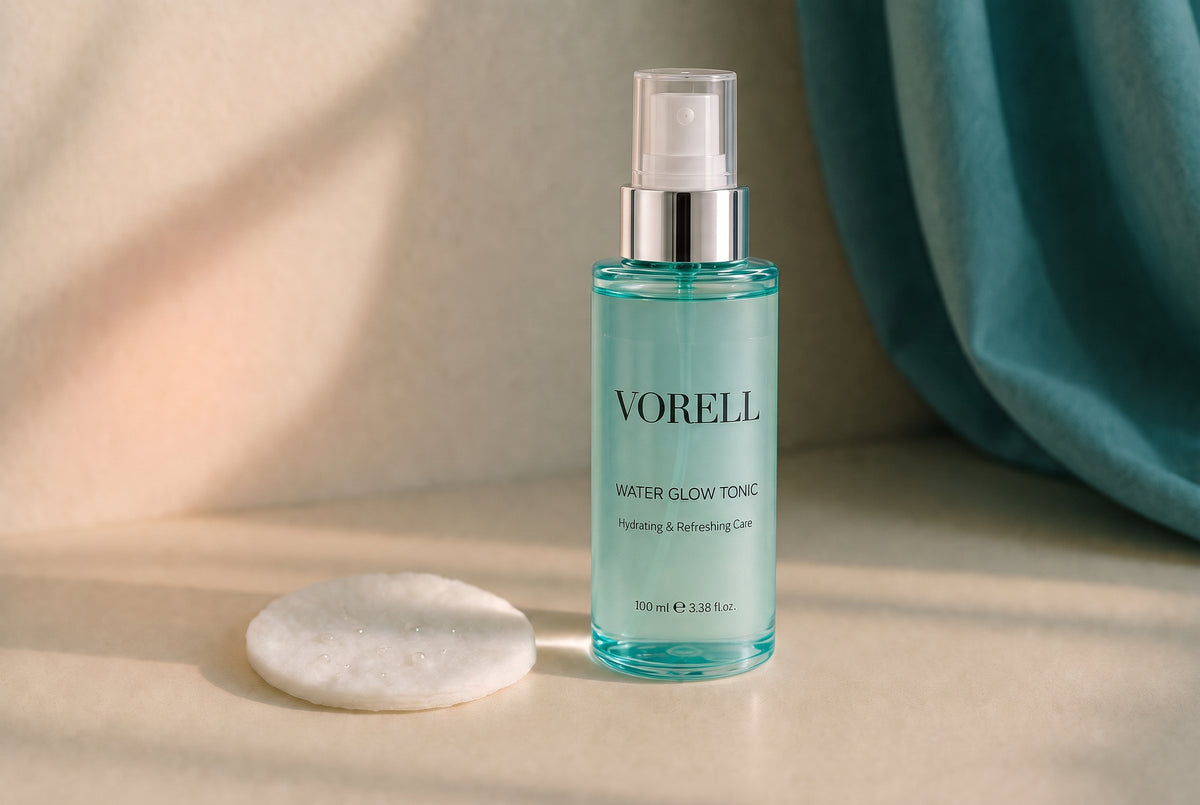
The alcohol-free, no-rinse WATER GLOW TONIC prepares the skin for the moisturizer step after cleansing. For anyone who wants to try these steps together, The Glow Ritual 3-Piece Set saves 610 TL compared with buying the toner, serum and mask separately. In the end, rather than looking for a single "perfect" product, applying the four steps of the routine in the right order and consistently is what brings out the real potential of the moisturizer you have chosen.
Frequently Asked Questions
Can oily skin skip moisturizer?
No. Oily skin needs hydration too; skipping moisturizer can encourage more oil production rather than balancing the skin. The right move is to choose light, oil-free textures.
In which order should serum and moisturizer be applied?
The lighter-textured serum comes first, followed by the richer-textured moisturizer. Moving on to moisturizer shortly after the serum has absorbed, before the skin dries completely, supports the effect of both products.
How long does it take for a moisturizer to work?
An immediate feeling of softness is usually noticed as soon as it is applied; but a change in the overall look of the skin calls for regular, consistent use.
How often should I change my moisturizer?
If your skin responds well, there is no need to change it often. Apart from seasonal transitions, using the same product consistently for weeks gives more reliable results than switching products frequently.
Does moisturizer shrink pores?
No, moisturizers cannot physically shrink pore size; pore size is largely related to genetics and sebaceous gland activity. Gentle formulas may help refine the appearance of pores by balancing the skin. If you would like to look at the science in more detail, see whether pores really shrink.
Can I apply moisturizer around the eyes?
A general face moisturizer can also be applied around the eyes, but because this area is thinner and more delicate, it should be applied gently and in a small amount. If there is noticeable sensitivity, redness or irritation, consulting a dermatologist is recommended.