How Often Should You Use a Face Mask?
The general answer to how many times a week you should use a face mask is this: purifying clay-based masks 1-2 times a week, nourishing cream masks 2-3 times a week, and peel-off and gel masks no more than once a week. Foam masks that require no rinsing and only provide hydration and soothing are an exception to this rule; because they don't tire the skin, they can be used far more often, even daily.
- The general rule: purifying clay masks at most 1-2 times a week, nourishing cream masks 2-3 times a week, and peel-off/gel masks once a week.
- No-rinse foam masks (such as VORELL Water Glow Bubble Mask) are an exception to this rule because they don't cleanse; they can be used far more often, even daily.
- If you feel redness or tightness within 24 hours of application, that's a sign you need to reduce the frequency.
What Does a Mask Do in a Skincare Routine?
While a daily toner-serum-moisturizer routine meets the skin's basic needs, a mask acts as a more concentrated, short-term "shock treatment." Thanks to its high-concentration formula, a mask can nourish the skin deeply, quickly refill its moisture reservoir, or add instant vitality to skin that looks dull.
The key feature that sets a mask apart from other care steps is that it stays on the skin's surface longer and usually contains more highly concentrated active ingredients. A serum is applied in a thin layer and absorbs quickly, whereas a mask sits on the skin for minutes, extending contact time with the active ingredients. This intensity explains why masks should be used at a certain frequency rather than daily.
What Is the Weekly Usage Frequency by Mask Type?
Not every mask formula has the same intensity; that's why the recommended frequency varies from type to type. The table below summarizes four basic mask categories and their weekly usage limits.
| Mask Type | Main Effect | Recommended Frequency | Suitable Skin Type |
|---|---|---|---|
| Clay / mud mask | Absorbs oil and impurities, refreshes the look of pores | 1-2 times a week | Oily, combination |
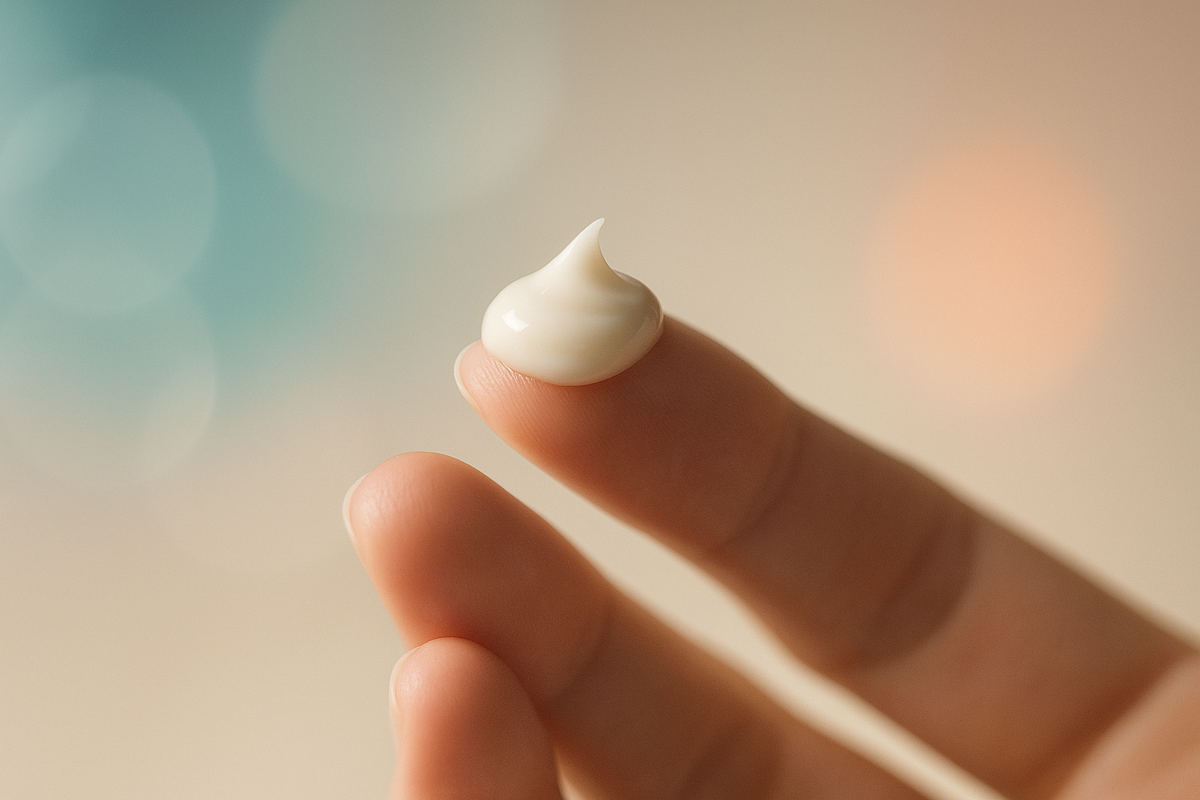
| Cream / nourishing mask | Aims to support the moisture barrier | 2-3 times a week | Dry, normal |
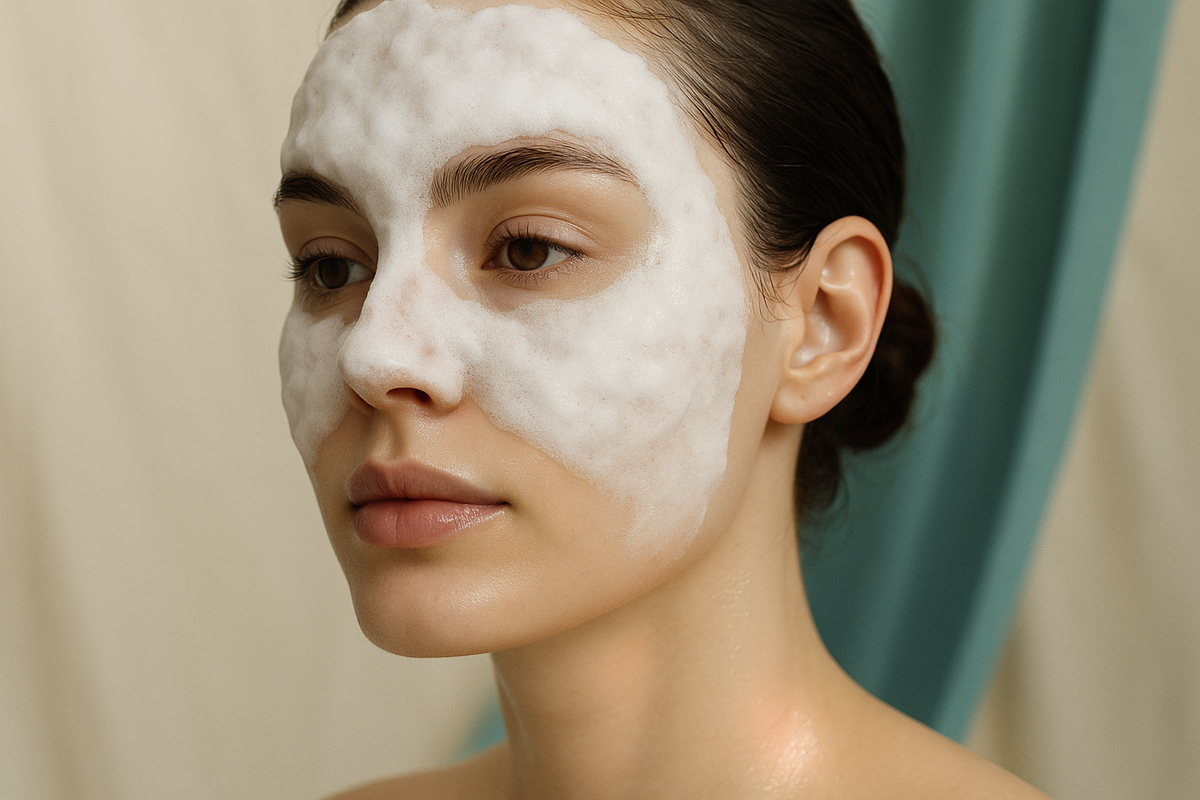
| Foam / cloud mask (no rinsing) | Hydrates and soothes the skin | No frequency limit, including daily | All skin types |
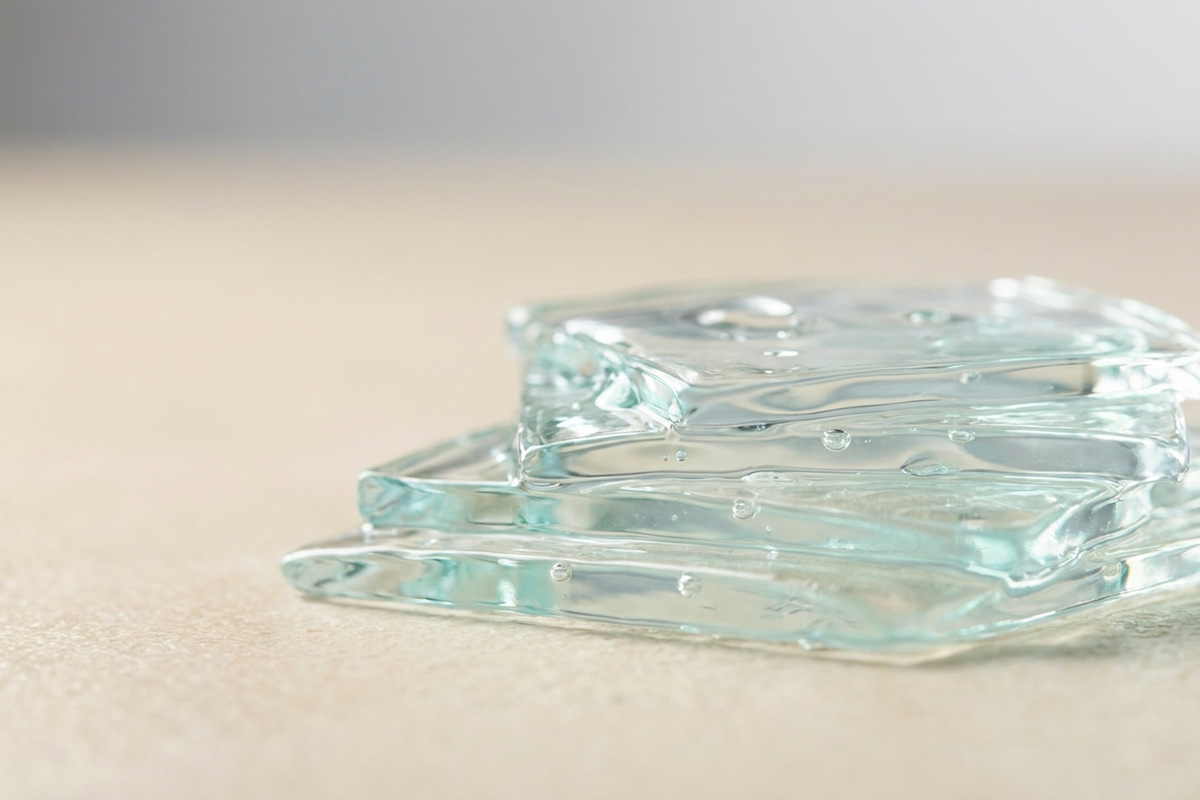
| Peel-off / gel mask | Instant freshness and a feeling of firmness | Once a week | Normal; should be used carefully on sensitive skin |
The drying effect of clay-based masks can leave skin feeling tight when repeated often; that's why it's recommended not to exceed 1-2 times a week. Because cream and nourishing masks aim to support the moisture barrier, they can be applied more often, 2-3 times a week; on very dry skin this frequency can be increased a little further. Since peel-off and gel masks can cause irritation on sensitive skin, they should be limited to once a week.
How Do You Determine the Right Frequency for Your Skin Type?
When determining mask frequency, skin type is just as decisive as formula type. The table below summarizes the recommended mask approach for four main skin types.
| Skin Type | Recommended Mask Approach | Weekly Frequency |
|---|---|---|
| Dry skin | Nourishing, hydration-focused mask | 2-3 times |
| Oily skin | Purifying clay-based mask, with a moisture-balancing mask in between | 1-2 times |
| Combination skin | Purifying on the T-zone, moisturizing on the cheeks (multi-masking) | 2 times |
| Sensitive skin | Alcohol-free, soothing formulas | 1-2 times |
If you don't know your skin type for certain, both your mask choice and your frequency decision remain guesswork. Learning how to identify your skin type correctly makes decisions easier for both masks and your daily routine.
What Does Overusing Masks Do to Skin?
Using masks often on a "the more the better" logic can produce the opposite of the expected effect. Frequent repetition of purifying and exfoliating masks in particular can strain the skin's natural protective barrier; this can show up as a feeling of tightness, redness or excessive dryness. Even overusing moisturizing masks can make the skin "lazy" and throw off its natural oil balance.
A simple rule helps you avoid disrupting the skin's weekly rhythm: if you notice unexpected tightness, redness or sensitivity within 24 hours of applying a mask, that's a sign you need to reduce the frequency. When the skin barrier is strained, recovery can take time; knowing how to strengthen the skin barrier helps you build your mask routine more safely.
Why Can VORELL Water Glow Bubble Mask Be Used More Often?
Not all masks follow the same rule. Unlike classic masks, VORELL Water Glow Bubble Mask requires no long waiting time and no rinsing. It comes out of the pump as a dense foam; there's no need for scrubbing, granules or hard friction. You simply work the foam gently into the face within thirty seconds — no rinsing needed, and makeup can be applied directly over it.
It's worth being clear here: this mask does not cleanse the skin and does not replace the cleansing step. Its job is to hydrate and soothe. Oat extract, madecassoside and lactobacillus lysate soothe the skin while beta-glucan, ectoin and hyaluronic acid hold moisture at the surface; niacinamide helps balance the look of tone and pores, and panthenol and betaine contribute to preventing a feeling of tightness. Because it has no purifying or exfoliating effect, it isn't limited to a few times a week the way other mask types are.
How Do You Build the Right Mask Routine?
The order you follow when adding a mask to your routine directly affects the result you get.
- Prepare the skin with an alcohol-free toner such as Water Glow Tonic; this way the mask's active ingredients penetrate better. With no-rinse foam masks, waiting for the skin to dry after the toner gives a better result.
- Leave the mask on for the recommended time; "longer is more effective" is not true, and exceeding the time stated on the product can increase the risk of irritation.
- Don't skip Water Glow Serum and moisturizer after the mask; a mask complements these steps rather than coming before them.
- When adding a new mask to your routine, first try it on a small area such as under the chin and observe how your skin responds.
The The Glow Ritual 3-Piece Set, which includes the tonic, serum and bubble mask together, can be a practical starting point for anyone who wants to complete this sequence in one go.
How Should Mask Frequency Change With the Seasons?
The skin's needs don't stay constant throughout the year. Because indoor heating and cold weather can dry the skin more quickly in the winter months, increasing the frequency of moisturizing masks to as often as 3 times a week can be reasonable. In the summer months, lighter-textured, more purifying masks may come to the fore because of increased sweating and humidity.
During seasonal transitions it's important to give the skin time to adapt and not to change the routine abruptly. Knowing how skincare should change in the summer and winter months makes it easier to adjust mask frequency by season.
If you'd like to give your skin a weekly break, a mask applied at the right frequency can turn this small ritual into an enjoyable habit. In the middle of a busy day you can spare thirty seconds to try Water Glow Bubble Mask and see your skin's water-filled, rested look for yourself.
Frequently asked questions
Can I use a mask every day?
It's generally not recommended for purifying and exfoliating masks; keeping these to a few times a week gives a more balanced appearance. No-rinse foam masks focused only on hydration and soothing, such as VORELL Water Glow Bubble Mask, can be used far more often — even daily — because they don't purify or tire the skin.
Can I use different mask types within the same week?
Yes, different areas of your skin may have different needs. Applying a purifying mask to the T-zone and a moisturizing one to the cheeks, for example, is a sensible approach; what matters is that the total weekly frequency doesn't tire your skin.
In what order should a mask be applied?
With classic rinse-off masks, the general rule is to apply it after cleansing and toner, and before serum and moisturizer. No-rinse foam masks, on the other hand, can also be used as a finishing step at the end of the routine, after the serum; VORELL Water Glow Bubble Mask falls into this second group and doesn't prevent makeup from being applied over it.
Does leaving a mask on longer than recommended increase its effect?
No. Exceeding the wait time stated on the product doesn't increase the formula's benefit — on the contrary, it can raise the risk of irritation and dryness. Sticking to each mask's recommended time is the way to get the safest and most effective result.
What should I do if my skin feels tight after a mask?
If you notice redness, tightness or sensitivity within 24 hours of application, that's a sign you need to reduce the frequency of that mask. If the symptoms persist or are severe, it's recommended that you stop using the mask and consult a skincare professional.