
Journal
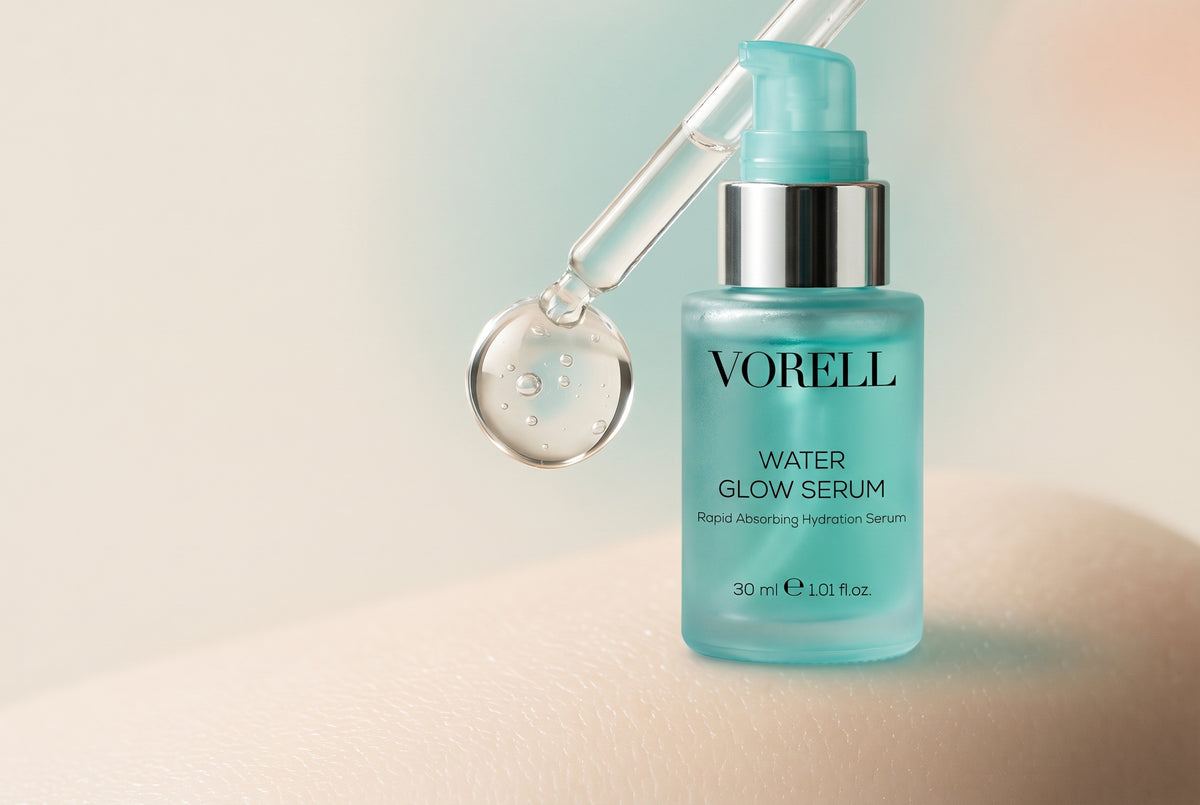
Hyaluronic Acid: Everything You Need to Know
Short answer: Hyaluronic acid is a natural moisture molecule (a humectant) that can hold many times its own weight in water; it binds water to the skin, not oil. It is considered suitable for alm...
Read more
Do Pores Really Shrink? What the Science Says
No — pores are the natural openings of the oil glands attached to hair follicles, and their size is largely determined by genetics; no product or method can permanently shrink or "close" them. But ...
Read more
What Is the Skin Barrier and How Do You Repair It?
The skin barrier is a natural protective layer made up of the dead cells in the outermost layer of the skin and the lipids that hold them together (ceramides, fatty acids, cholesterol); it limits m...
Read more
What Is Niacinamide? Benefits for Skin, Explained
Niacinamide is one of the most widely used forms of water-soluble vitamin B3 in skincare; it is a versatile active ingredient that helps support oil balance, reduce the look of pores, even out the ...
Read more
How to Get Glass Skin: A Step-by-Step Routine
Short answer Glass skin is a smooth, moisture-plumped look in which the skin reflects light evenly; it comes not from makeup but from a healthy skin barrier and consistent hydration support. The ...
Read more
When Should You Start Anti-Aging Skincare?
There is no single "right age" that suits everyone for starting anti-aging skincare. Protective habits such as sun protection and regular moisturizing are best established as early as possible, ide...
Read more
The 15 Most Common Skincare Mistakes
The most common skincare mistakes are skipping sun protection, adding too many active ingredients to a routine at once, applying products in the wrong order, and expecting results within a few days...
Read more
How Long Does Skincare Take to Show Results?
With a regular skincare routine you may feel an immediate difference in hydration and surface radiance; but seeing a lasting change in texture and evenness of tone generally takes four to six weeks...
Read more
What Is Ectoin? What It Does for Skin vs. Hyaluronic Acid
Ectoin is a natural osmolyte produced by extremophile bacteria that live in salt lakes; while hyaluronic acid draws in and binds water, ectoin helps form a protective water layer around cells. Alon...
Read more
How Often Should You Use a Face Mask?
The general answer to how many times a week you should use a face mask is this: purifying clay-based masks 1-2 times a week, nourishing cream masks 2-3 times a week, and peel-off and gel masks no m...
Read more